
NAUTICAL / NAVAL / CUSTOM-MADE METAL
Nautical and naval metalwork in stainless steel and aluminium
The right detail makes all the difference on board. We develop custom-made metal parts and assemblies for vessels, nautical equipment, and navigation support spaces.
From stainless steel railings to equipment supports, share the design, measurements, or the part you need to adapt. Lumiinox analyzes the solution and oversees the manufacturing process, paying attention to use, assembly, and finishing.
Custom manufacturing · Unique pieces and series · Project under technical analysis
Explore this page
FROM COMPONENT TO ASSEMBLY
Each Part.
In its Place.
The geometry of each element originates from the vessel. See how guardrails, support structures, and access points integrate into a custom-designed assembly.
- 01Stern guard
- 02Support structure
- 03Bow guard
- 04Access ladder
Illustration of applications in stainless steel. The configuration and mounting points are defined for each project.
02 / APPLICATIONS
Parts that integrate.
Details that are missing.
Each vessel has its own measurements and needs. These applications serve as a starting point for us to study your request.
Guards, handrails and pulpits
Stainless steel elements for circulation and support areas on board. Geometry, height, connections and fixings are defined according to the project and the structure where they will be mounted.
DECK / BOW / STERN
Stairs and access
Boarding stairs, supports and components for platforms. We study the space of use, access and integration with existing elements.
BOARDING / CIRCULATION
Equipment supports
Bases, consoles and supports to integrate equipment, antennas or accessories. Loads, exposure and fixing points are part of the analysis.
BASES / CONSOLES / HARDWARE
Structures and frames
Tubular assemblies and components for support structures, protections, and coverings. The design is prepared in conjunction with other specialties.
TUBE / SHEET / ASSEMBLIES
Components by drawing
Cut plates, flanges, reinforcements, plates, and bent parts to integrate into metal assemblies. From prototype to small series, according to technical feasibility.
LASER CUTTING / BENDING
Adaptation and replacement
We analyse existing parts to study an adaptation, a new execution, or a repair. The state of the material and the function of the part determine the possible solution.
LIFTING / REPLACEMENT
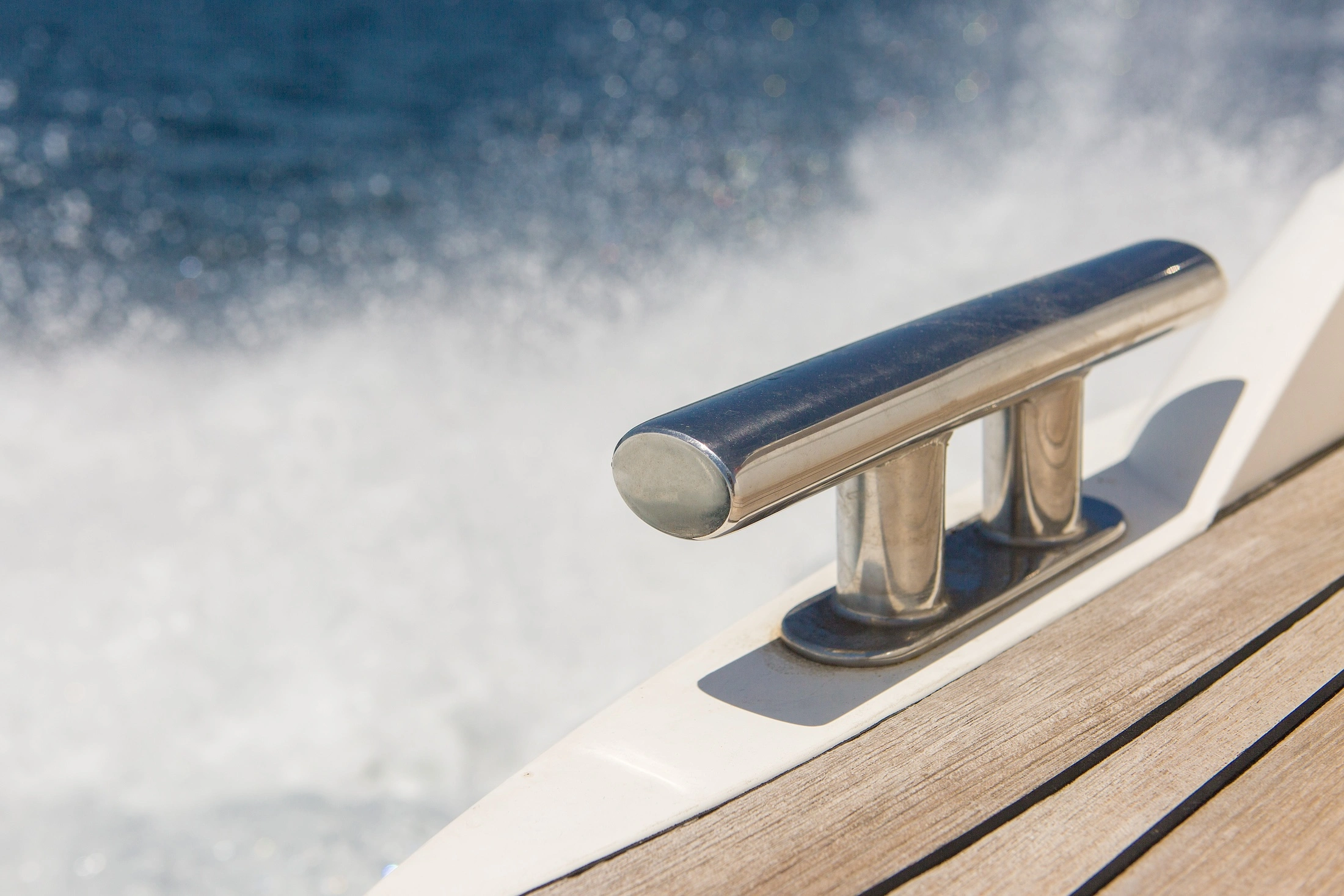
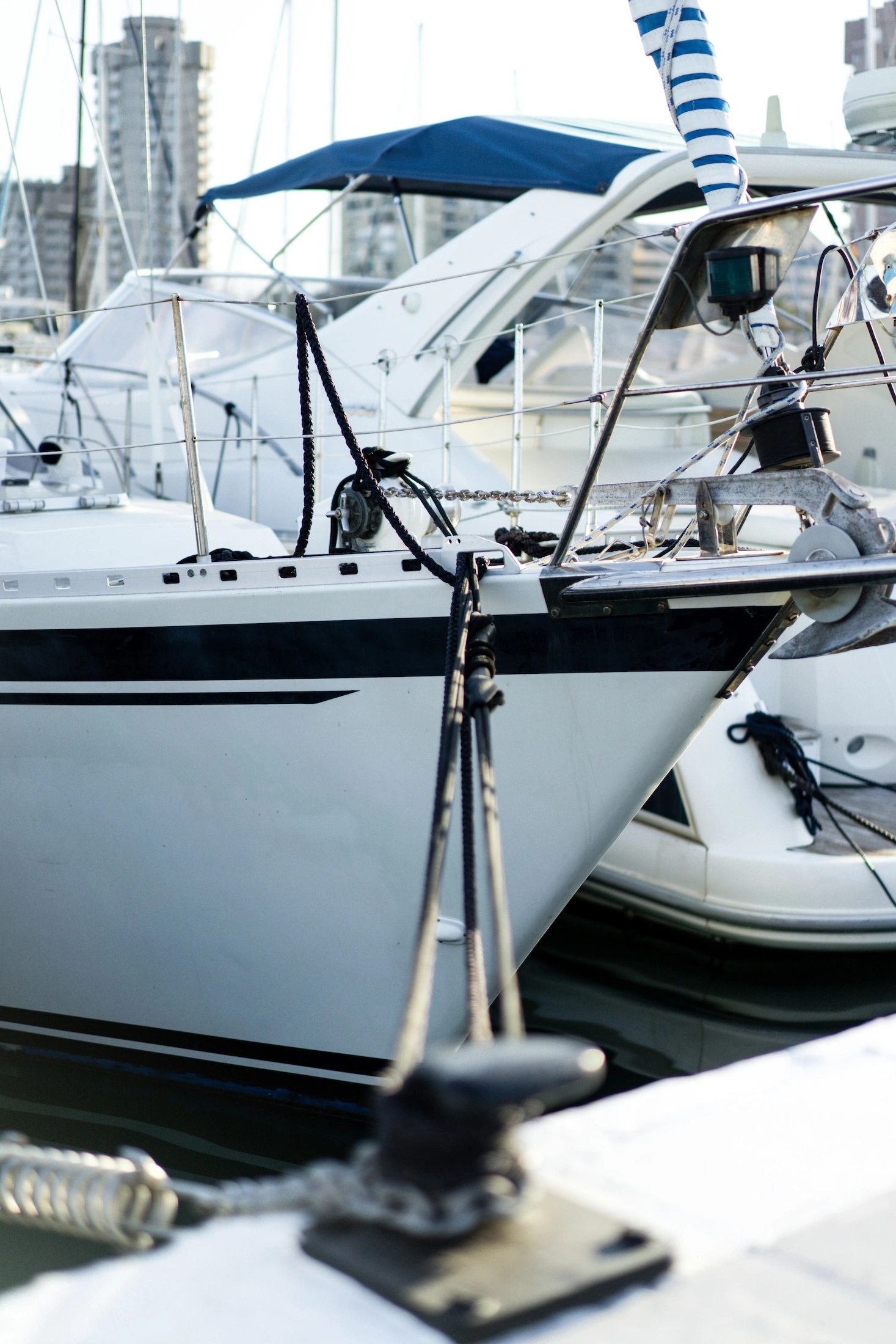
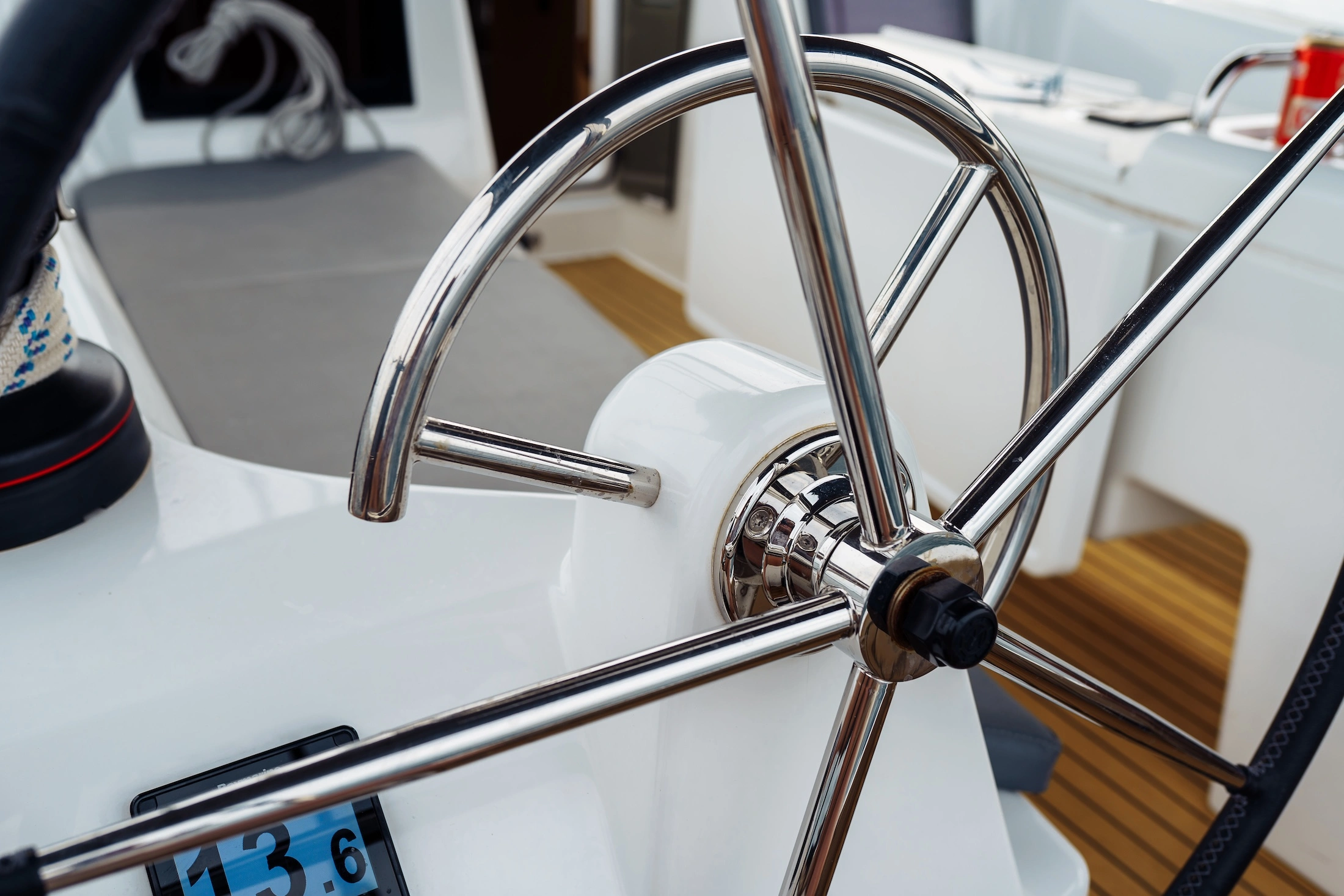
STAINLESS STEEL IN CONTEXT
The detail seen
up close.
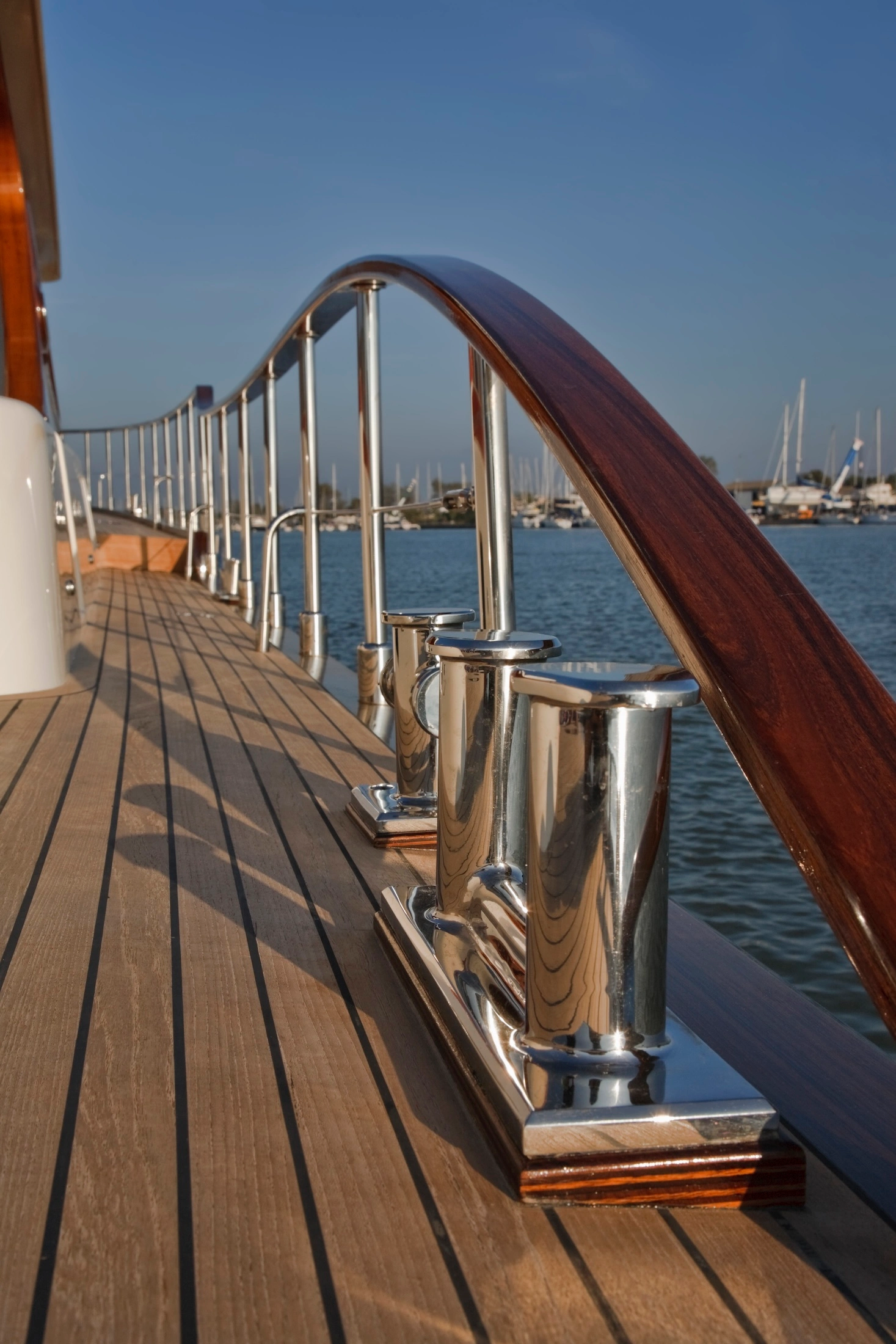
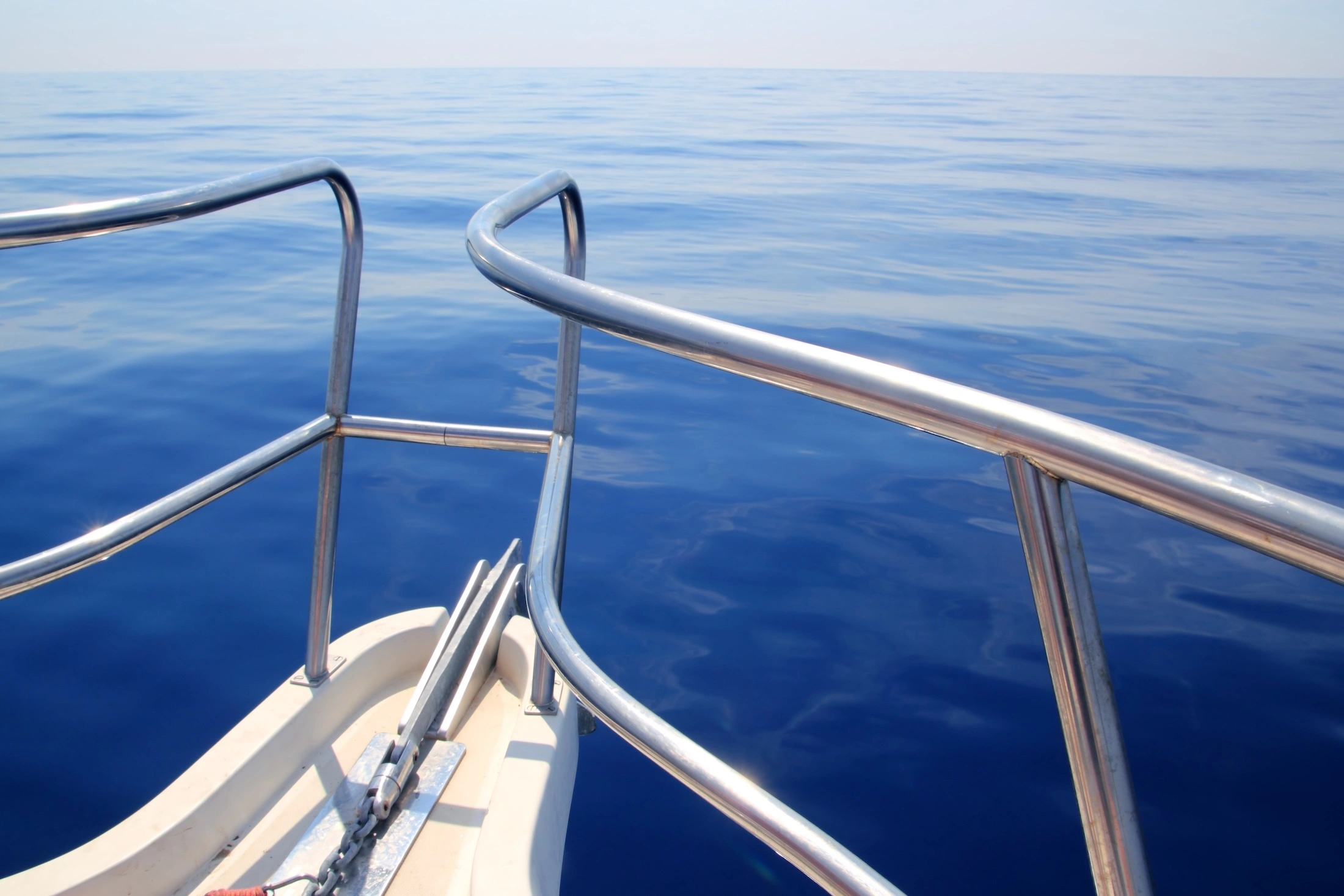
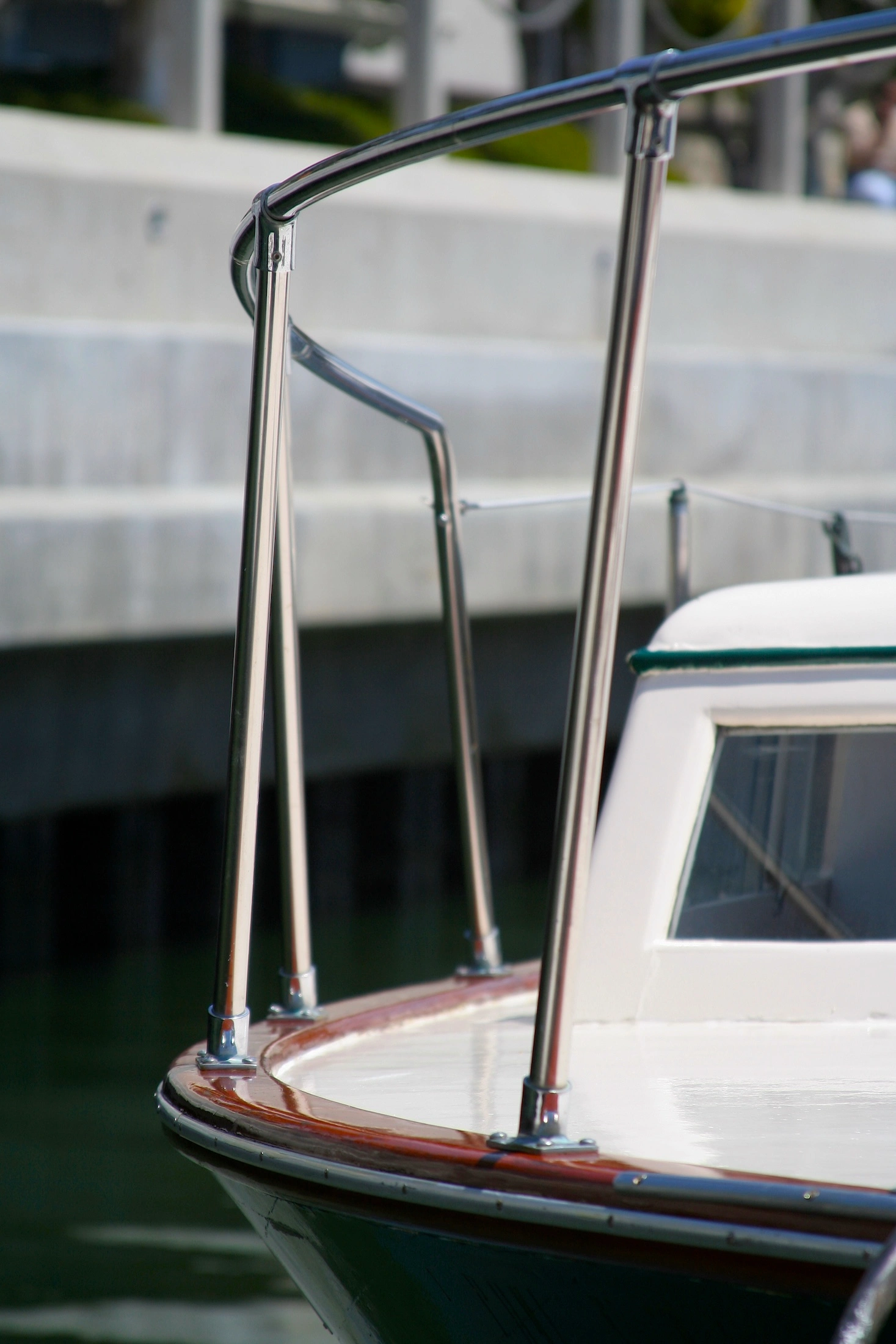
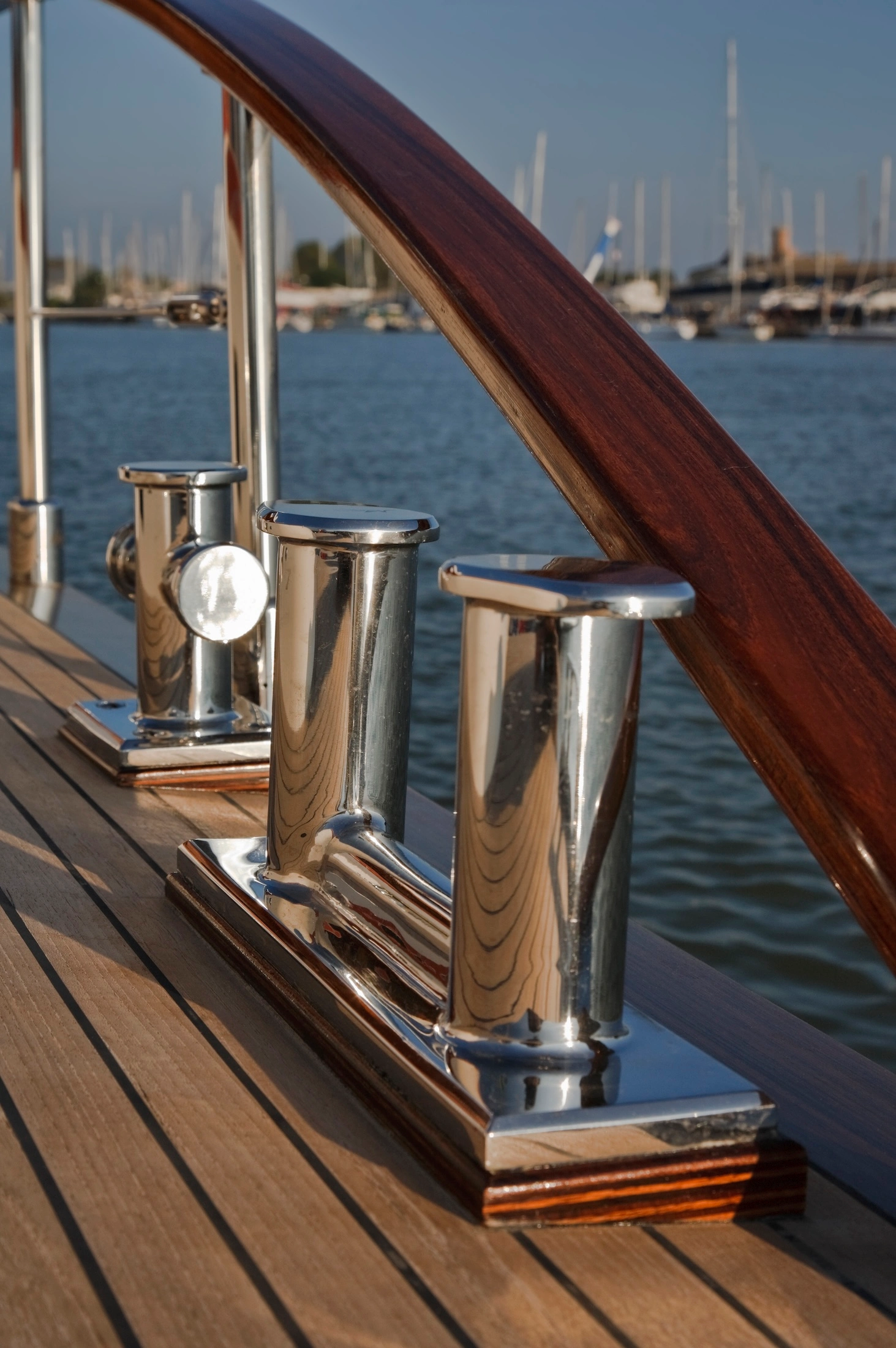
Guards, fastenings, accessories and surfaces: different ways to integrate metal into the space and use of a vessel.
03 / MATERIAL, JOINING, FINISH
The choice of metal
is part of the design.
Salt, humidity, retained water and contact between different metals influence the behavior of a part. The material is chosen in conjunction with the geometry, assembly and planned maintenance.
In applications exposed to the marine environment, AISI 316 and 316L stainless steels are frequent references. The appropriate alloy depends on the exposure, loads, and contact with water; permanent immersion requires a specific assessment.
In welded aluminium, we consider the alloy, thicknesses, joining process, and compatibility with other components. When stainless steel and aluminium meet, we also study interfaces and insulation between materials.
The final specification of materials and inspection or documentation requirements are agreed upon for each job.
WHAT WE Analyse
Preparing for actual use
ExposureUnderstanding where and how the part will function.
We analyse the part's position on the vessel and its use: internal or external area, presence of splashes, water retention, and cleaning frequency. Photographs of the site and indication of usage conditions help prepare the solution.
When there is prolonged contact with water, the application requires a specific assessment. The choice of material and finish is defined in conjunction with the geometry, joints, and planned maintenance.
FastenersConsider the connection to the support from the beginning.
We observe the support points, the available space, and access to the fasteners. We need to know the material of the support and, when applicable, the position and measurements of existing holes, to prepare bases, flanges, or connecting pieces.
The compatibility between materials, interfaces, and the possibility of disassembling the part are included in the analysis. Fasteners and supports are agreed upon for each project, based on the actual conditions of the vessel.
FinishDefine appearance and attention to detail.
The finish must match the function of the part and the elements already existing on board. We agree on the desired appearance, the treatment of welds, and the care taken with edges, joints, and areas of frequent contact.
A reference photograph or sample helps align expectations. For replacement parts, we assess visual integration with the existing assembly before finalizing the proposal.
MaintenanceFacilitate care throughout use.
We consider access to surfaces, connections, and fixing points to allow for cleaning, inspection, and eventual disassembly. The possibility of repairing or replacing a component may also influence how the assembly is divided.
Stainless steel requires appropriate care for the environment and use. Conservation guidelines are adjusted to the material and finish supplied; if there are components from other manufacturers, their respective instructions must be considered.
AssemblyPrepare measurements, fittings, and installation sequence.
We confirm the final dimensions, connection points, and access limitations before manufacturing. Dimensioned drawings, photographs, and references of the existing part help identify interferences with guardrails, equipment, or circulation areas.
We define in the proposal what is included: manufacturing, supply, transport, and eventual assembly. When the assembly requires onboard installation, the fitting sequence and validation of measurements are coordinated with the client.
Stainless steel also needs cleaning and maintenance. A good finish complements the choice of material.
04 / LUMIINOX CAPACITY
From file to metal.
From sheet to assembly.
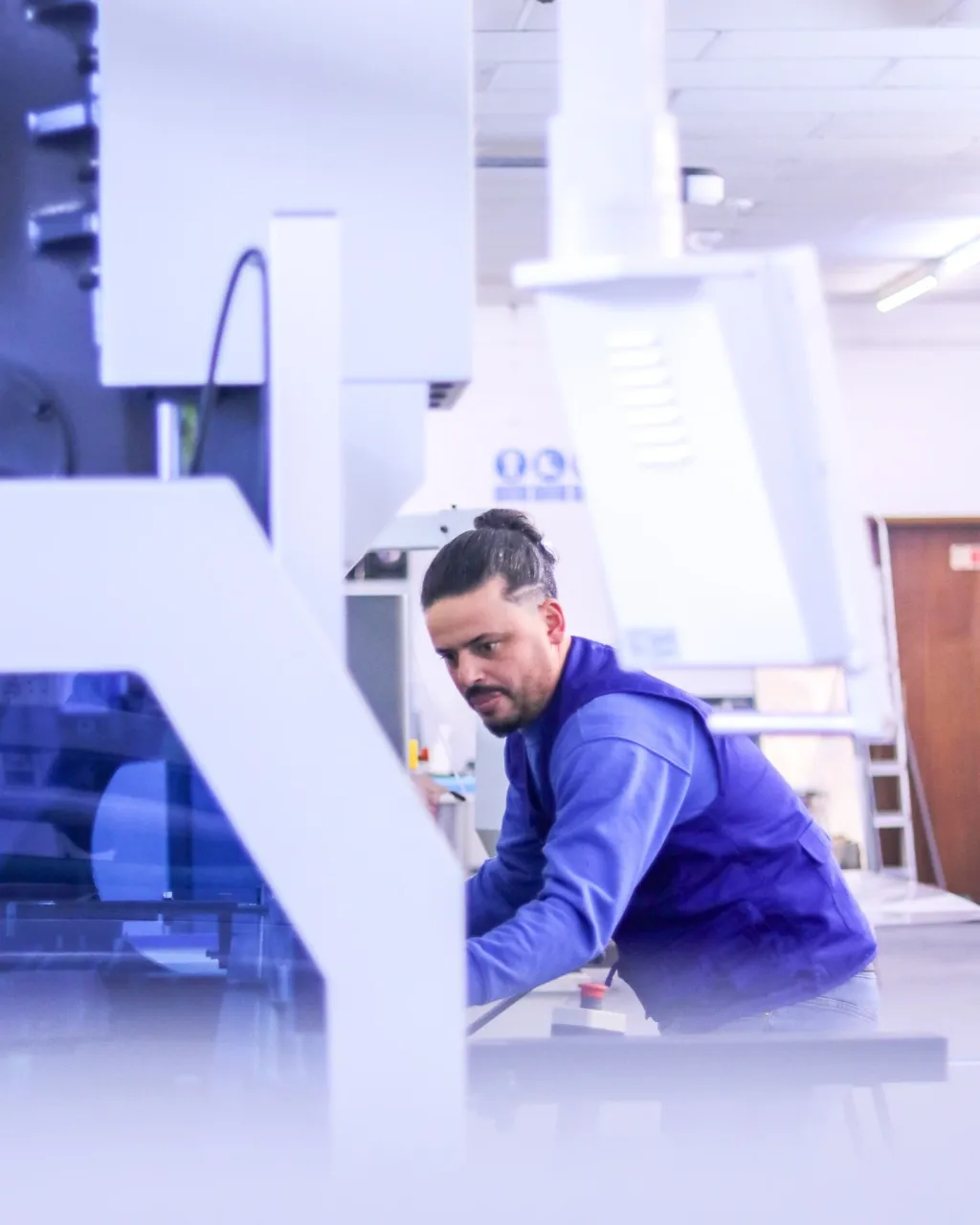
We integrate metalworking processes with laser cutting and bending to prepare custom components and assemblies. Drawing analysis allows us to coordinate operations before proceeding.
For sheet parts, indicate material, thickness, quantity, and finishing requirements. For assemblies, add the mounting dimensions and the points that must fit on the vessel or equipment.
06 / YOUR PROJECT ON BOARD
Let's bring
for the next piece.
Request a nautical and naval metalwork proposal from Lumiinox. Send what you already have and explain how the piece will be used.
- Type of vessel or equipment and location
- Photographs, sketch or technical file
- Measurements, material and quantity
- Function, fixings and desired finish
- Reference deadline and assembly requirements
Parts with a structural function or subject to specific requirements are analyzed in conjunction with the project's technical manager.
+351 967 323 696Call to the Portuguese mobile networkluis@lumiinox.pt
Nautical/Naval quote request
Do you make custom parts for vessels and work with shipyards?
We analyse requests from individuals, workshops, shipyards, and design teams, from a single piece to assemblies or small series. Send drawings, photographs, measurements, and the desired function for us to assess the execution.
Which stainless steel or aluminium is suitable for the marine environment?
The choice depends on exposure, water contact, loads, and connections to other materials. 316/316L stainless steel is common in deck fittings, but the specification must be confirmed for each application. In aluminium, the alloy and joining process are also part of this analysis.
Can they adapt existing parts and include assembly?
Yes, we can analyse adaptation, replacement, or repair from the part, photographs, and measurements. The solution depends on the condition and function of the component. Transportation, shipping, assembly, and deadlines are defined in the proposal after evaluation of the request.